How Southern California Sun and Heat Age Your Roof
Whittier roofs bake under intense UV and 100°F attic heat. Here's how sun damage shortens roof life, where leaks start, and what repairs cost in 2026.
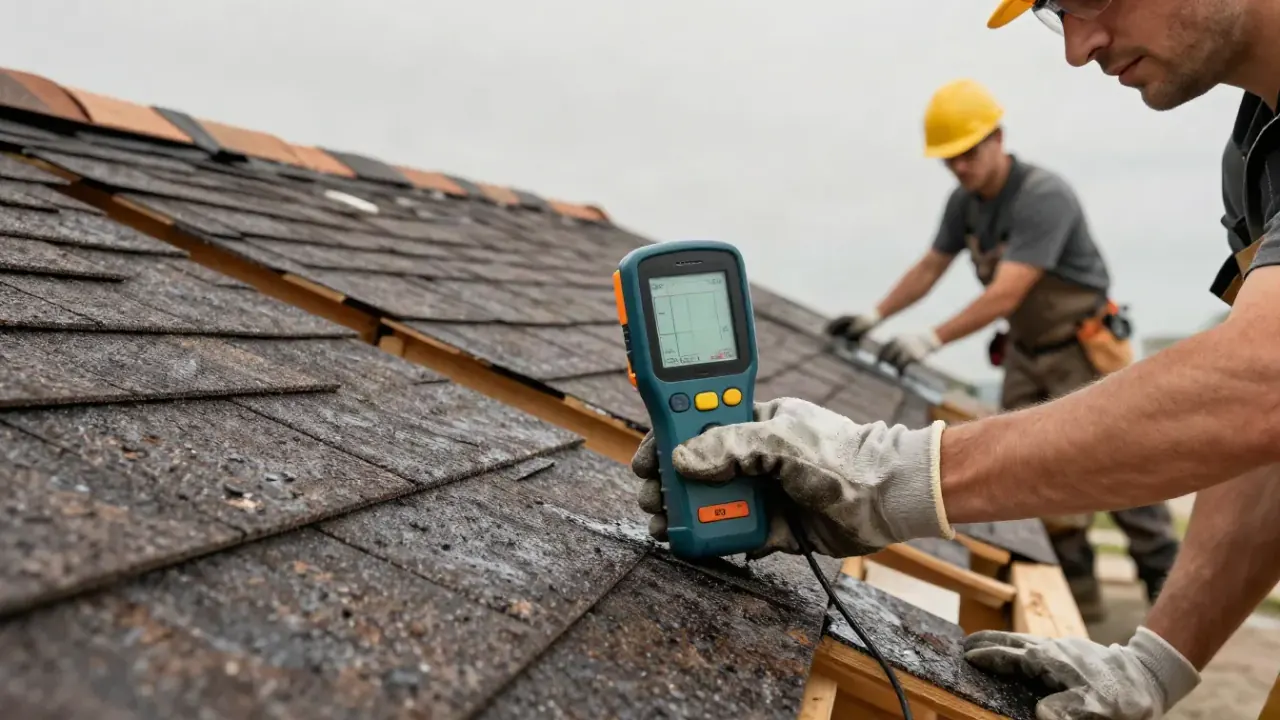
Southern California sun and heat age your roof by breaking down asphalt, drying out sealants, and expanding every material on your roof until it cracks. In Whittier, that process runs faster than almost anywhere else in the country: roughly 280 sunny days a year, summer attic temperatures that hit 140°F, and UV levels strong enough to fade car paint in three summers. Sun damage roof Whittier CA homeowners deal with is not cosmetic - it is the leading reason roofs here fail years before their rated lifespan.
Below we break down exactly how UV and heat do their damage, which roof parts go first, what repairs cost in 2026, and the warning signs that mean it is time to call someone.
Why Whittier Roofs Age Faster Than Most of the Country
Whittier roofs age faster because they never get a real off-season. A roof in Portland or Chicago spends months at mild temperatures with rain keeping surfaces cool. Yours spends July through October baking at 95°F to 105°F, then gets Santa Ana winds in the fall that push grit and debris across every slope. There is no recovery period.
The numbers tell the story. A 30-year architectural shingle in a mild climate often lasts 25 to 28 years. The same shingle on a Whittier roof exposed to full south and west sun commonly fails between 15 and 20 years. Tile roofs rated for 50 years here need underlayment replacement at 20 to 25 years because the felt dries out long before the tile does.
Local building stock makes it worse. Plenty of homes in Uptown Whittier roof leak repair territory were built in the 1920s through the 1950s, which means original sheathing, older underlayment, and roof decks that have already absorbed decades of thermal cycling. When we inspect those roofs, we are often looking at the third or fourth layer of history stacked on the same framing.
How Does Southern California Sun Damage Roofs in Whittier CA?
Southern California sun damages roofs in Whittier CA primarily through ultraviolet radiation, which attacks the chemistry of roofing materials rather than just their surface. UV light breaks the molecular bonds in asphalt, which is why a shingle that looked fine in spring can be brittle and grainy by September.
Here is what UV actually does, in order of how fast it happens:
- Surface granule loss: The ceramic granules embedded in shingles are your roof's sunscreen. UV loosens them, rain washes them into gutters, and once 30 to 40 percent are gone the asphalt underneath starts cooking.
- Asphalt oxidation: Exposed asphalt dries, shrinks, and develops hairline cracks. Those cracks let water into the mat.
- Sealant failure: The tar strips that bond shingle tabs together dry out and release. Wind then lifts tabs and tears them.
- Color fade and heat gain: A faded roof absorbs more heat, which accelerates everything above.
You can check granule loss yourself. Run your hand along a south-facing slope and look at your palm. A little grit is normal. A palm full of sand means the shingle is well into its decline. If your gutters fill with granules every year, that roof is telling you something.
How Does Heat Age My Roof in Whittier California?
Heat ages your roof in Whittier California through thermal expansion and contraction - a cycle that repeats every single day, not just seasonally. A dark shingle surface can hit 160°F on an August afternoon and drop to 65°F by 2 a.m. That is roughly 95 degrees of movement, every day, for years.
Every material on your roof expands at a different rate. Asphalt, wood, metal flashing, and sealant all move differently, and the joints between them are where problems start. This is why so many leaks we find are not in the middle of a field of shingles - they are at edges, penetrations, and transitions.
Attic heat matters too. Without adequate ventilation, attic temperatures in a Whittier home reach 140°F to 150°F in summer. That heat radiates up into the roof deck from below, drying out underlayment and cooking the underside of your sheathing. A roof with poor ventilation ages from both directions at once.
What you will notice first:
- Curling or "cupping" shingle edges, especially on west-facing slopes.
- Bubbles or blisters on the roof surface where trapped moisture has expanded.
- Caulk and sealant around vents and pipes that has cracked or pulled away.
- Higher summer cooling bills, because a heat-soaked attic pushes into your living space.
Can Sun Damage Cause Roof Leaks in Whittier?
Yes - sun damage causes roof leaks in Whittier, and it is one of the most common causes we see. The leak itself usually starts months or years after the damage begins, which is why homeowners are often surprised by it.
The chain works like this: UV dries and cracks the sealant around a vent pipe or flashing joint. A fall rain or a winter storm pushes water into that crack. The water travels along the roof deck, sometimes several feet sideways, and shows up as a ceiling stain in a room that seems nowhere near the actual breach. By the time you see the stain, the damage has been progressing for a while.
That is also why we do not just patch the spot above the stain. We trace it. If you are seeing discoloration on a ceiling or a wall, our ceiling leak detection Whittier service exists specifically for this - we find the true entry point before we touch anything, because sealing the wrong spot wastes your money and leaves the real leak running.
Two other sun-driven leak sources deserve mention. First, dried-out pipe boots: the rubber collar around a plumbing vent cracks after 8 to 12 years of UV exposure and becomes a direct funnel into your attic. Second, valley deterioration: the metal or membrane in a roof valley takes concentrated sun and water flow at the same time, and it fails earlier than the surrounding field.
The Parts of Your Roof the Sun Attacks First
Not every square foot of your roof ages at the same rate. Orientation and material determine the order of failure, and knowing this helps you inspect the right places.
South and West Slopes
These two exposures take the most direct sun in Whittier. A south-facing slope can be 20°F to 30°F hotter than a north-facing one at the same moment. If you only have time to check one part of your roof, check these.
Flashing and Penetrations
Metal flashing expands and contracts more than anything else on your roof. Every joint where flashing meets shingle, stucco, or brick is a candidate for sealant failure. This is the single most common leak location we repair, and it is why roof flashing repair Whittier is one of our most requested services.
Pipe Boots and Vent Collars
Rubber and plastic vent boots have a shorter UV lifespan than the roof around them. Expect 8 to 12 years before the collar cracks. When one goes, water runs straight down the pipe into your attic. Our pipe boot repair Whittier work is usually a same-day fix, and it is far cheaper than the drywall repair that follows a neglected one.
Skylights and Chimneys
Both create a seam with the roof plane, and both concentrate heat. Skylight seals typically need attention every 10 to 15 years. Chimney counter-flashing is a frequent failure point on older Whittier homes, and we handle it through chimney repair Whittier when the leak is traced to that junction.
What to Watch Out For: Common Mistakes Whittier Homeowners Make
The most expensive mistake is treating a sun-damaged roof like a cosmetic problem. Faded shingles and a few missing granules do not look urgent, so the repair gets deferred for two or three years - by which point the decking underneath has absorbed moisture and the job has grown from a patch to a full replacement.
Other mistakes we see regularly:
- Sealing over wet materials. Caulk and roof cement will not bond to a damp surface. If it rained yesterday, the repair will fail.
- Using the wrong sealant. Standard silicone does not hold up to roof-surface temperatures. Roofing sealants are formulated for it.
- Patching the stain, not the source. Painting over a ceiling water stain without finding the entry point guarantees you will be doing it again.
- Walking a hot roof in summer. Shingles at 150°F are soft and scuff easily. Foot traffic in August causes damage that lasts.
- Ignoring attic ventilation. A roof that cannot breathe will keep aging from the inside no matter how good the surface looks.
One more: hiring based on price alone. A $400 patch that fails in six months costs more than a $900 repair done once. Ask what the repair includes - tracing the leak, replacing failed material, and testing with water before the technician leaves.
When to Call a Professional
Call a professional when you see granules accumulating in your gutters every year, when any shingle is curling or missing, or when a ceiling stain appears - those are not maintenance items, they are repair signals. Sun damage roof Whittier CA properties experience rarely reverses on its own.
If your roof is more than 15 years old and has never been inspected, a professional assessment is worth the visit. We can tell you what has years left and what is close to failing, so you can plan the work instead of reacting to it.
Our team handles the whole job: we find the leak, fix it, and test the repair with water before we leave. If you want a straight answer about whether your roof needs a patch, a section replacement, or a full tear-off, Roof Leak Repair Whittier CA is what we do every day in this city.
Frequently Asked Questions
How does Southern California sun damage roofs in Whittier CA?
UV radiation breaks down asphalt and destroys the granules that protect it, while daily heat cycling cracks sealants and flashing joints. Whittier gets roughly 280 sunny days a year, so a shingle rated for 30 years often fails in 15 to 20 here.
How does heat age my roof in Whittier California?
Roof surfaces swing from about 160°F in the afternoon to 65°F overnight, roughly 95 degrees of movement every day. That cycling pulls apart joints between materials. Attic temperatures of 140°F to 150°F also dry out underlayment from below.
Can sun damage cause roof leaks in Whittier?
Yes. Sun cracks the sealant around flashing, vents, and pipe boots, and the next rain finds those openings. Water can travel several feet along the deck before it shows as a ceiling stain, so the visible spot is often not the leak.
Who repairs sun damaged roofs near me in Whittier CA?
Whittier Roof Leak Repair handles sun-damaged shingles, flashing, pipe boots, valleys, skylights, and flat roof sections across Whittier and neighboring areas. Call (562) 443-3829 and we will trace the leak and quote the repair before we start.
How much does a sun damage roof repair cost in Whittier in 2026?
Typical 2026 pricing runs $350 to $900 for a targeted repair like flashing or a pipe boot, $1,200 to $3,500 for section replacement, and $9,000 to $22,000 for a full tear-off and re-roof depending on size and material.
Get Help with Roof Leak Repair in Whittier
If the sun has been working on your roof for 15 years or more, do not wait for the ceiling stain to tell you. We inspect, trace, and repair sun-damaged roofs across Whittier - and we test every repair with water before we leave.
Call Whittier Roof Leak Repair at (562) 443-3829 to schedule your inspection.